10% off sitewide with code BF10
Free shipping on 2 items or more

The Kinthia collection
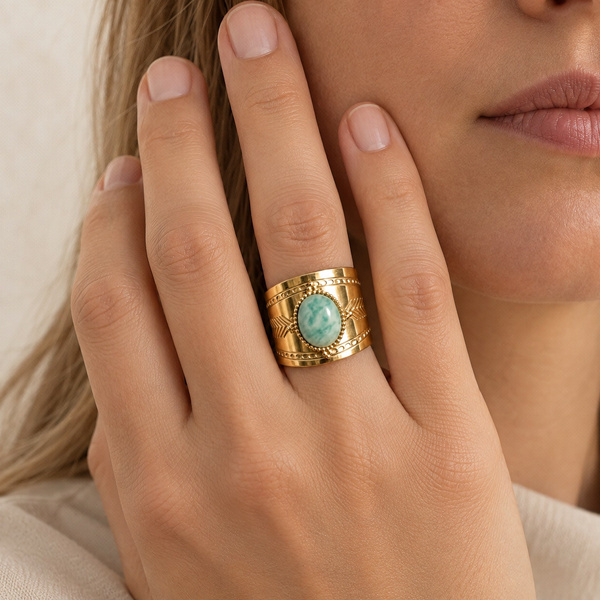
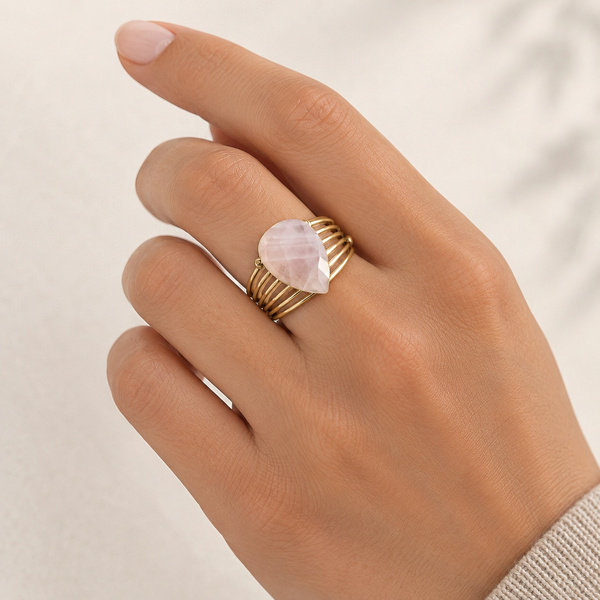
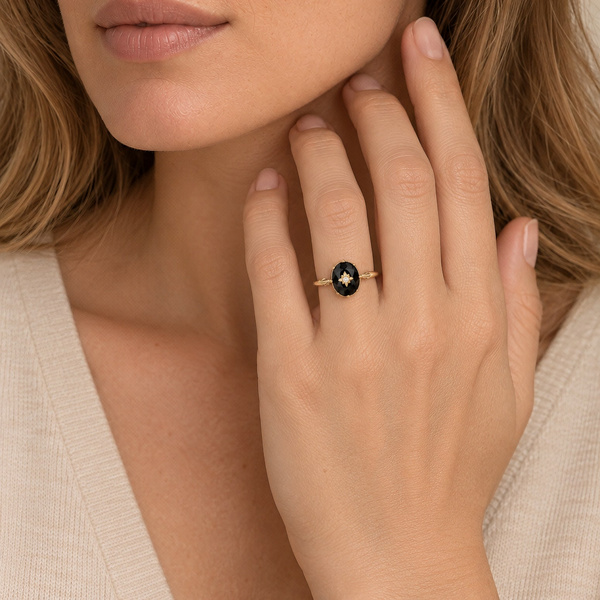
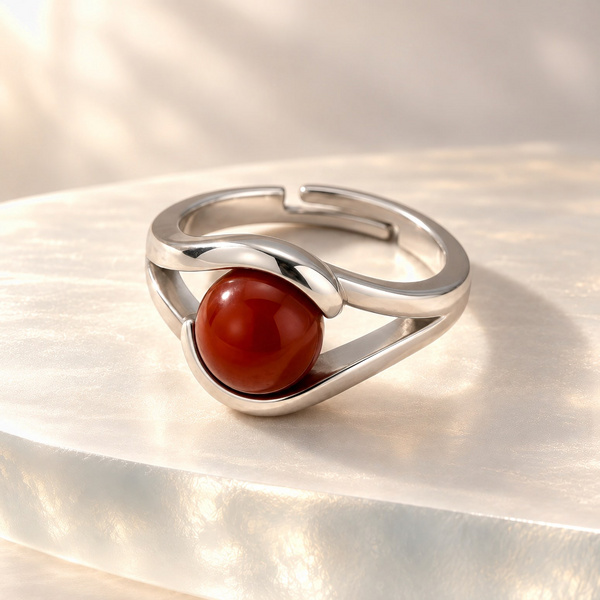
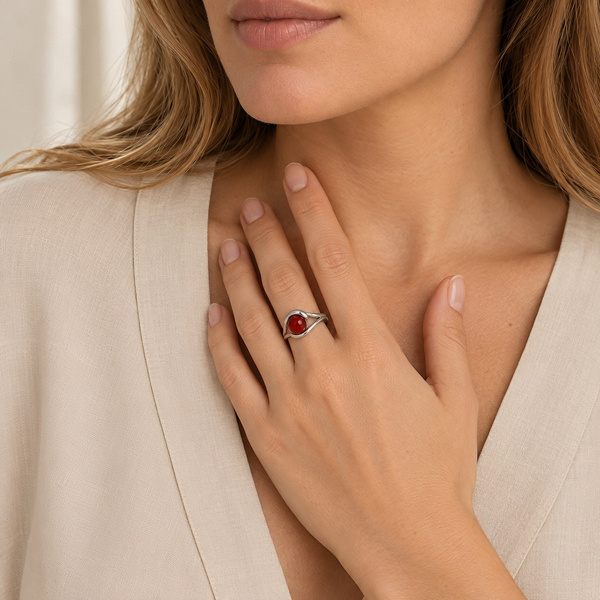
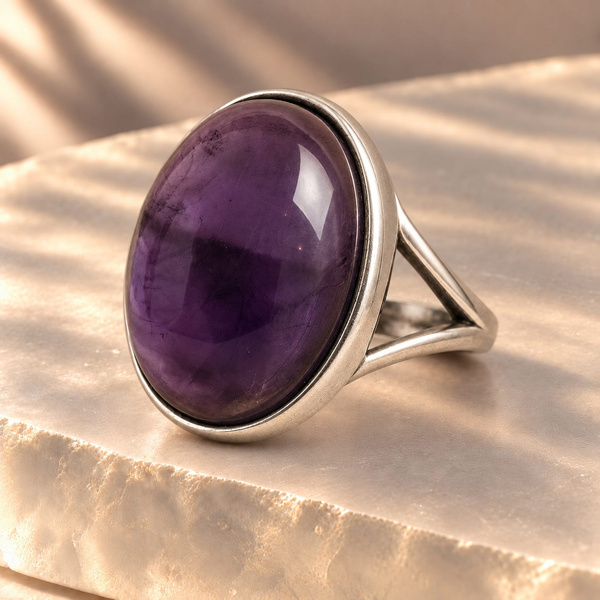
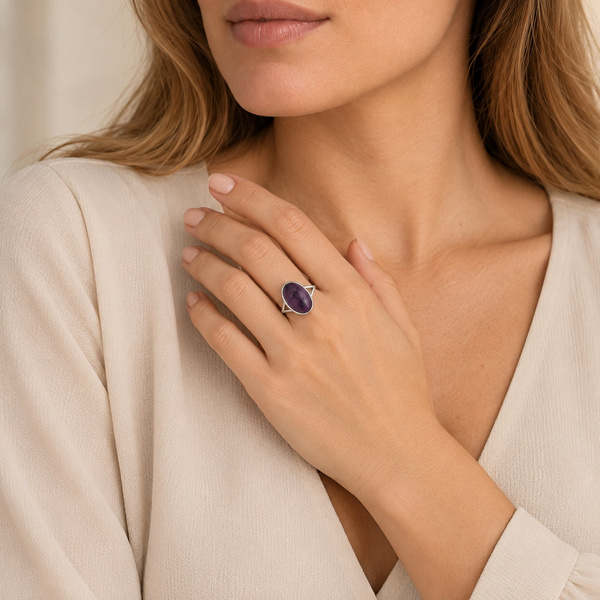
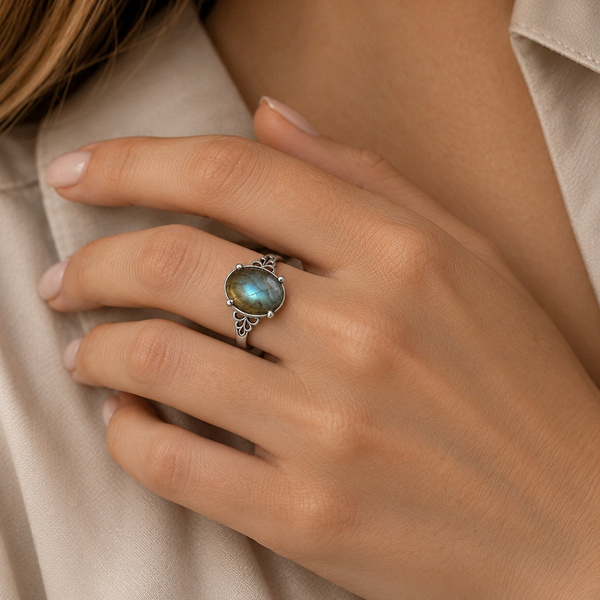
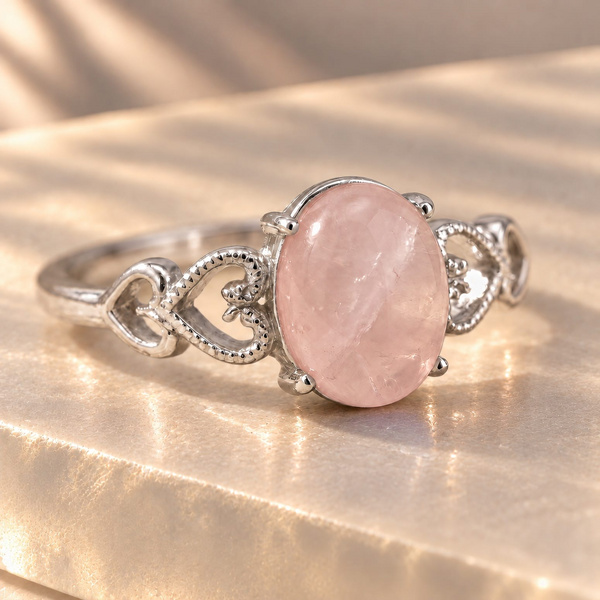
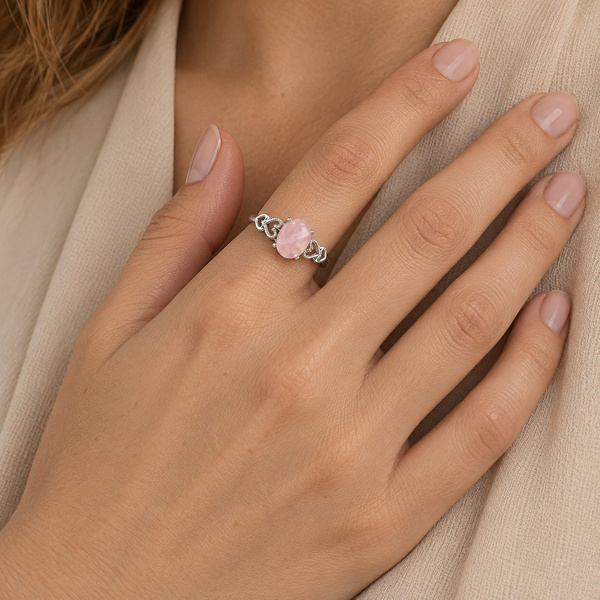
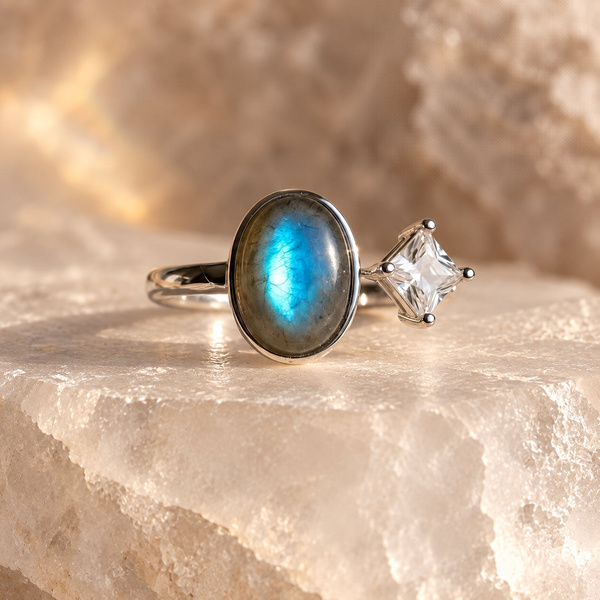
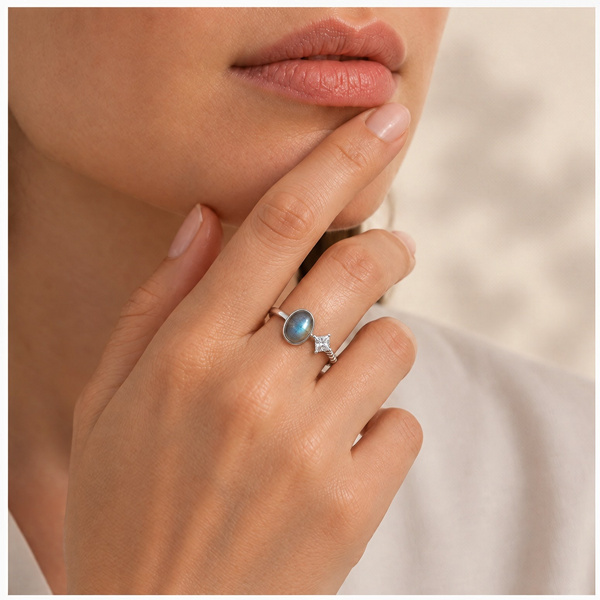
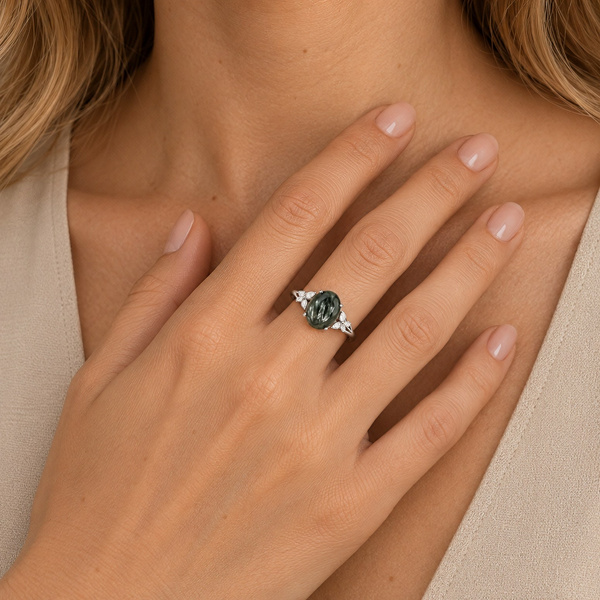
Every natural stone ring asks the same question: how do you hold the stone? The answers gathered here range from the engraved band that grips it to the openwork setting that lets daylight through behind it, and on to designs that do without a stone altogether. Rose quartz, moonstone, amazonite, and amethyst each find their own way to be worn on the finger.
The Kinthia notebook
A few pointers to find what feels like you.
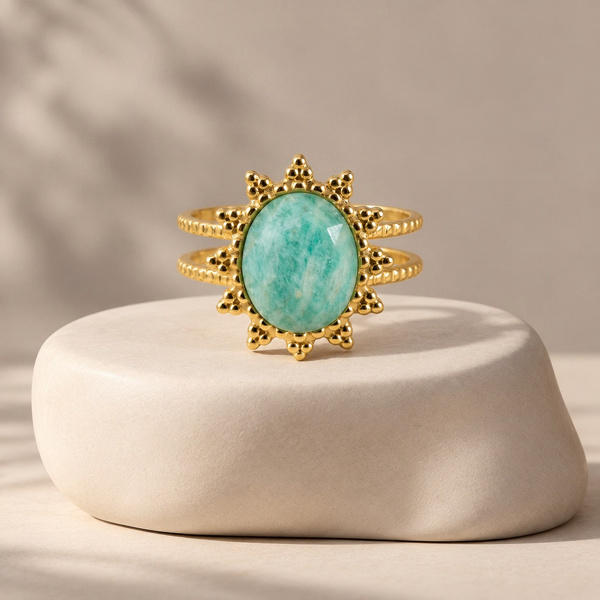
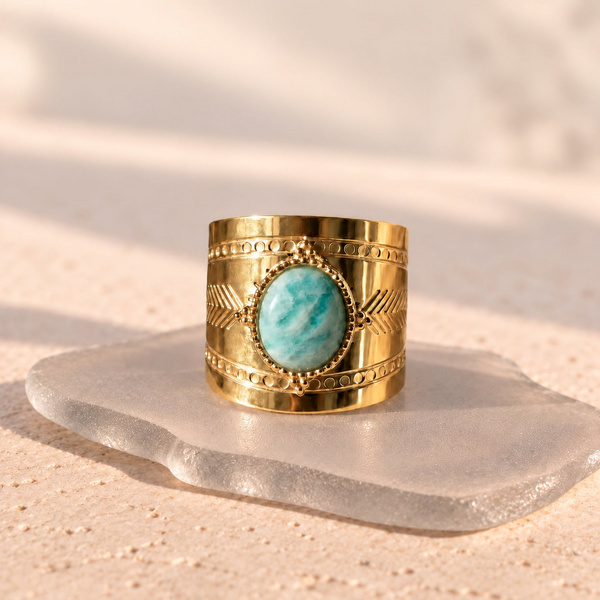
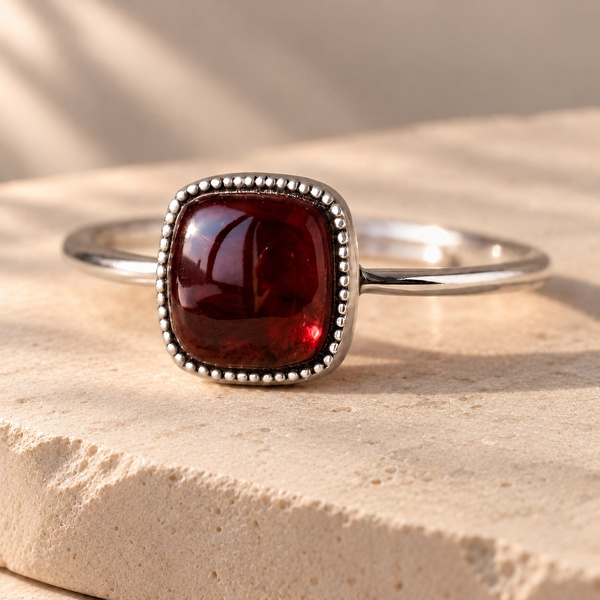
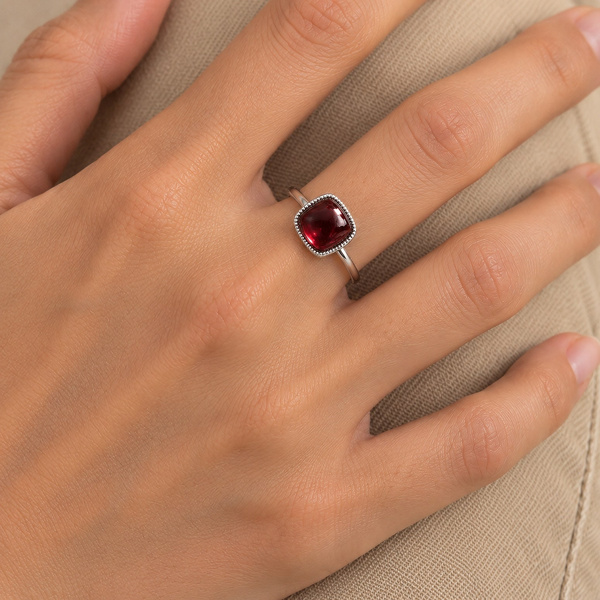
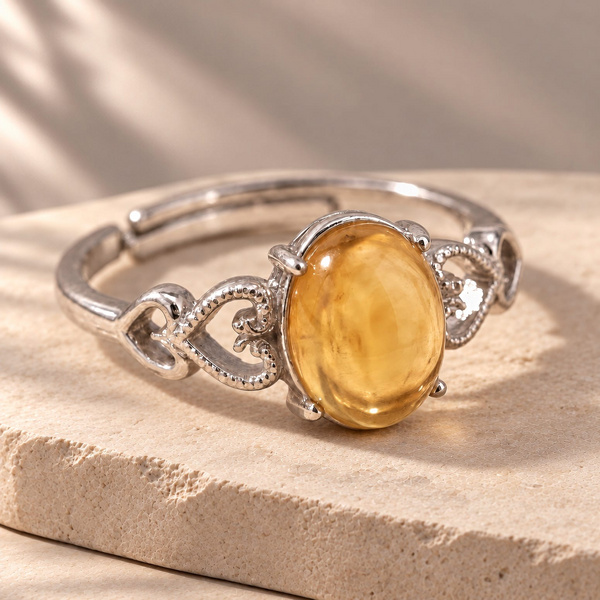
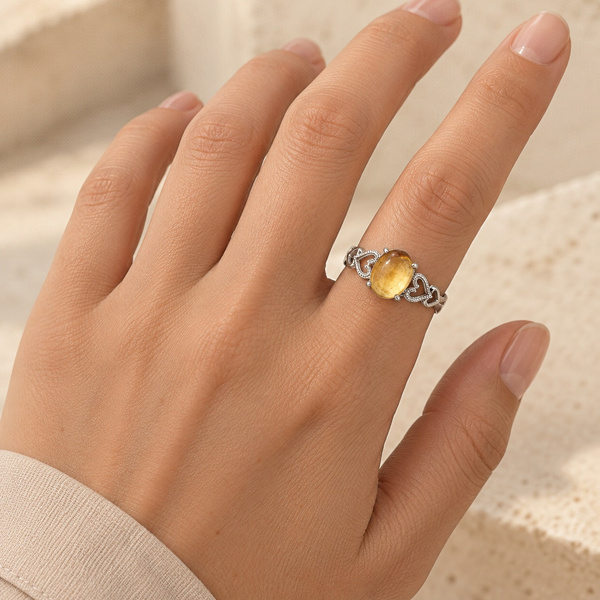
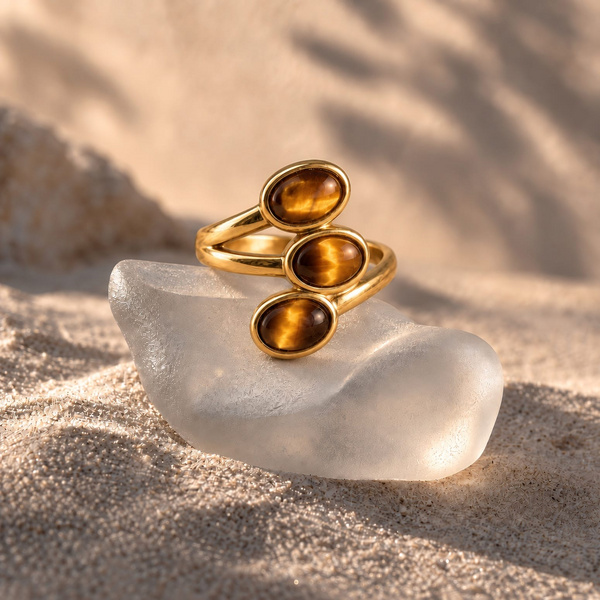
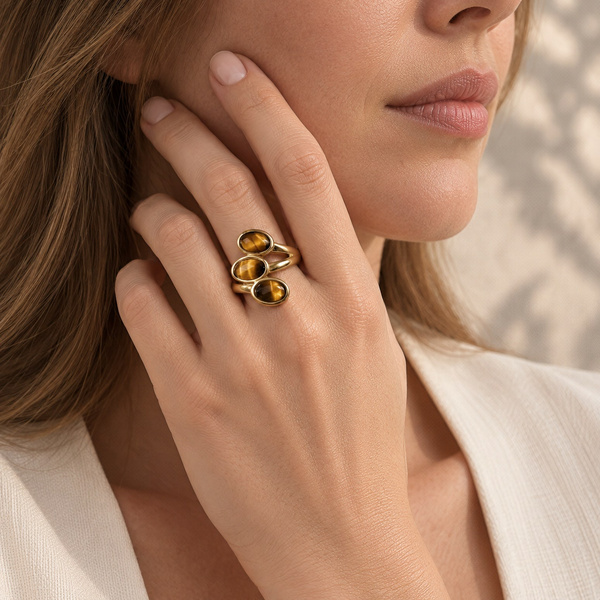
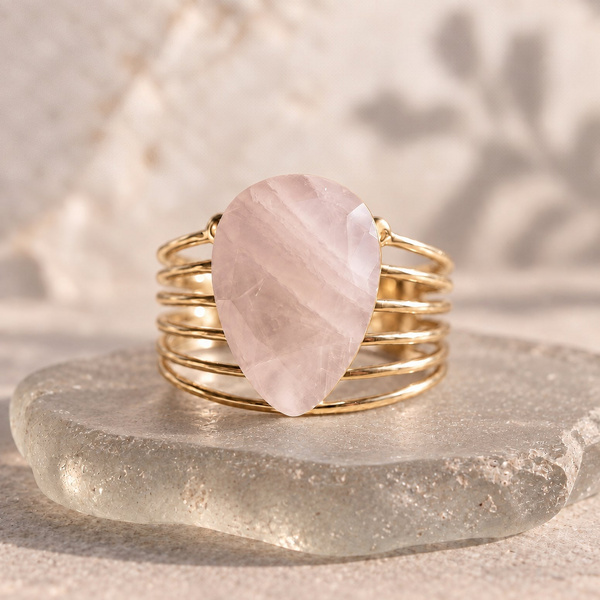
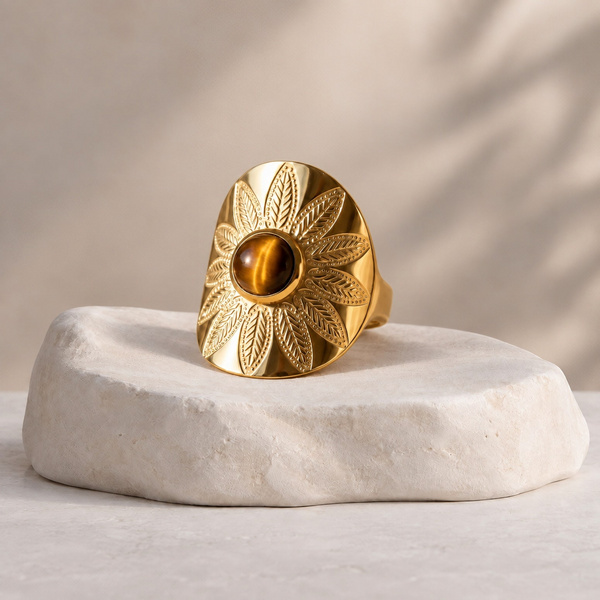
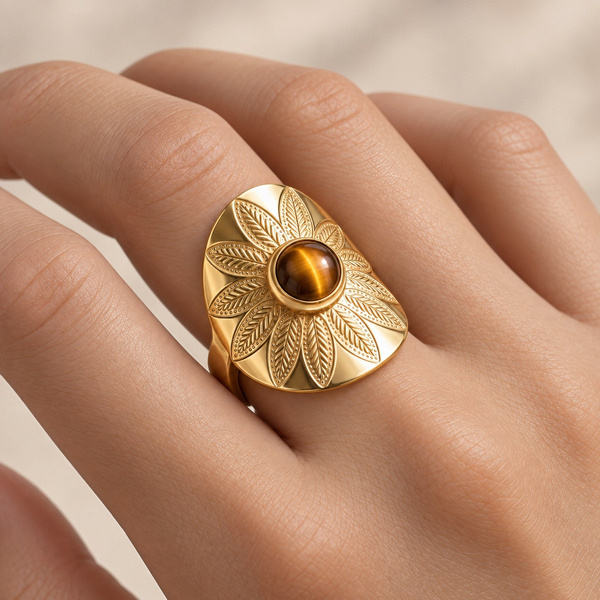
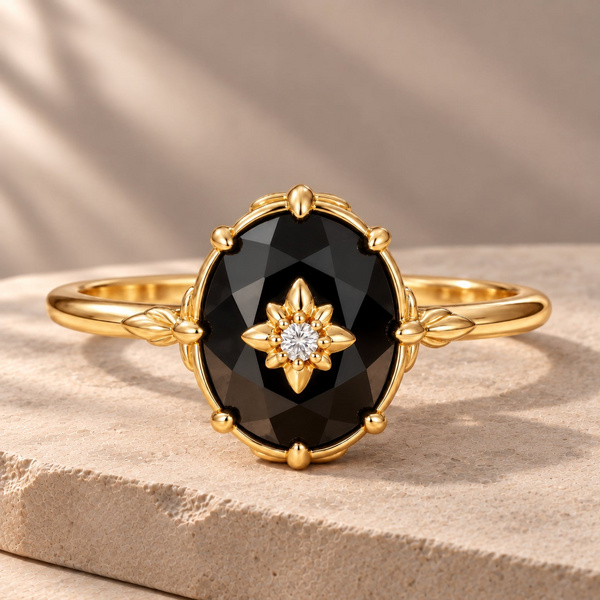
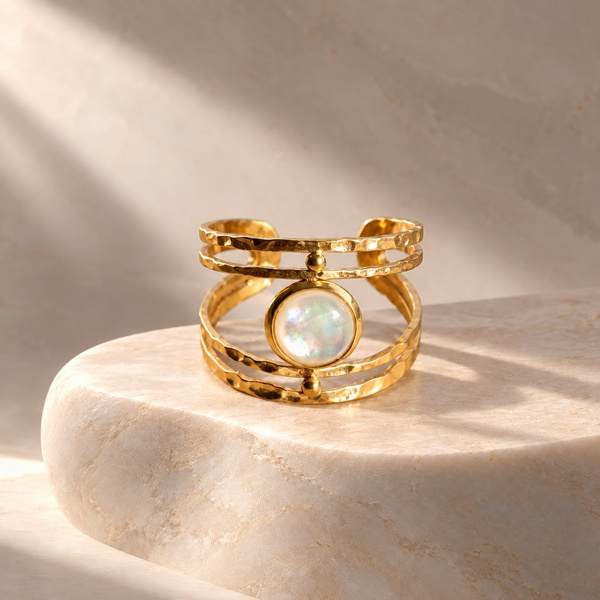
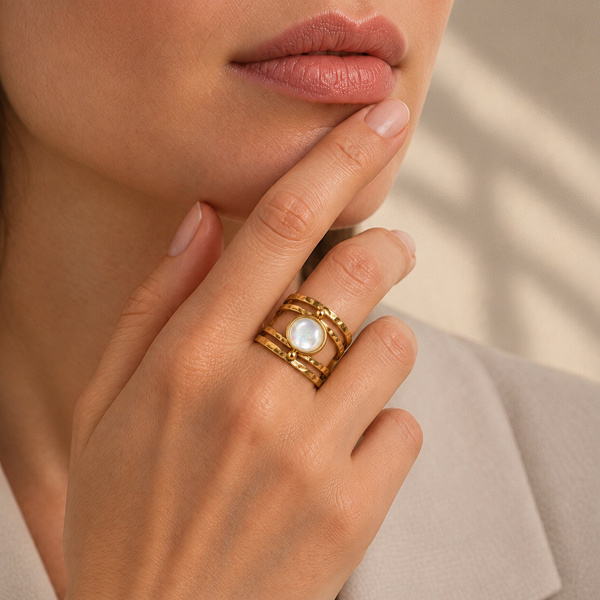
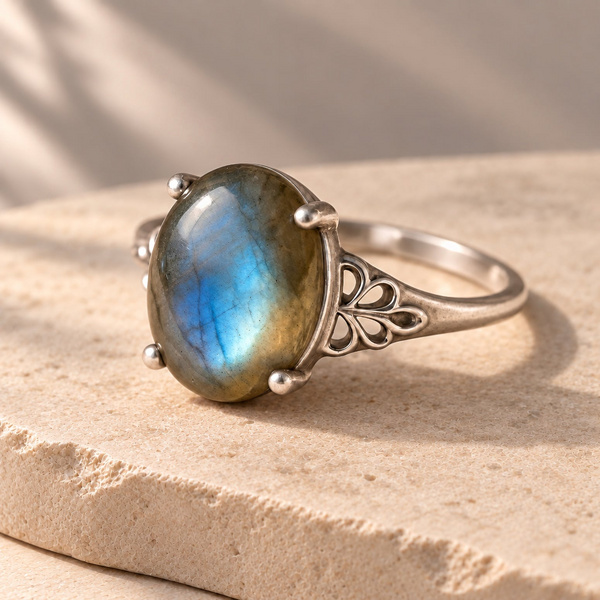
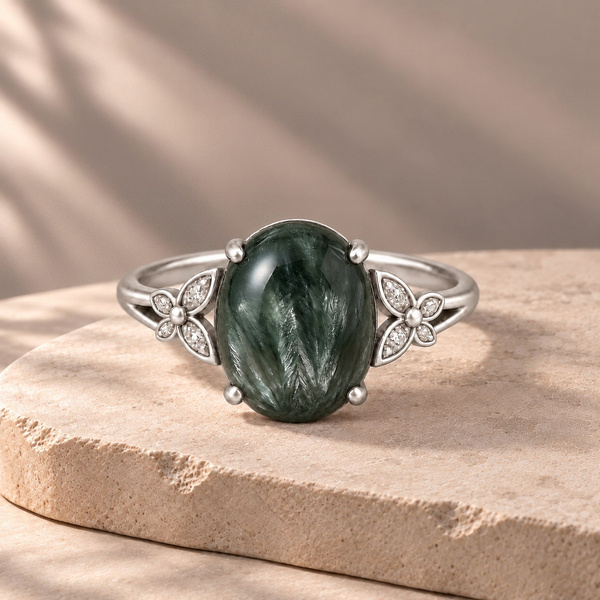
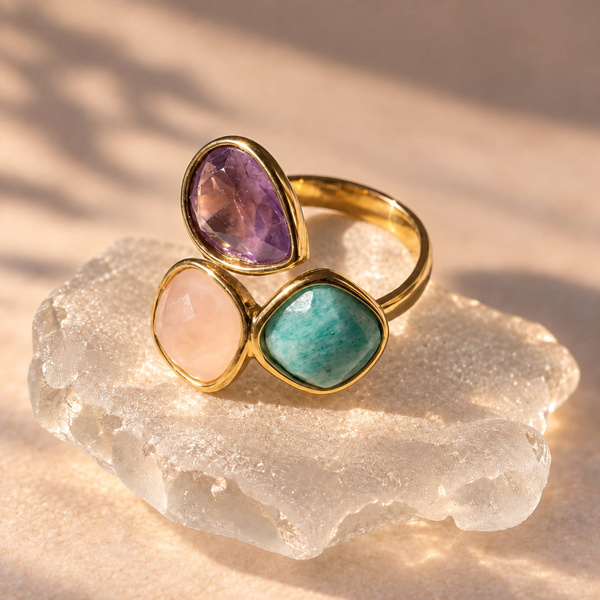
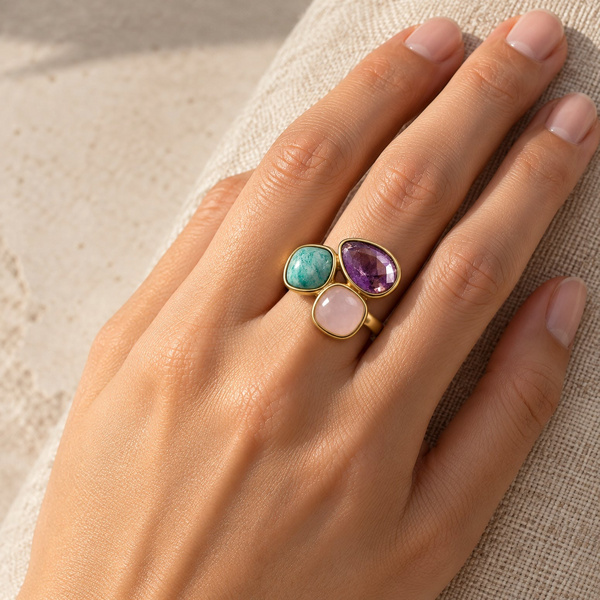
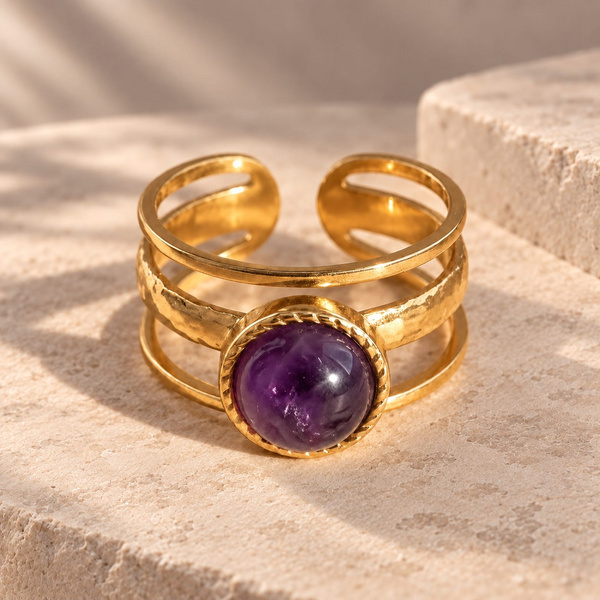
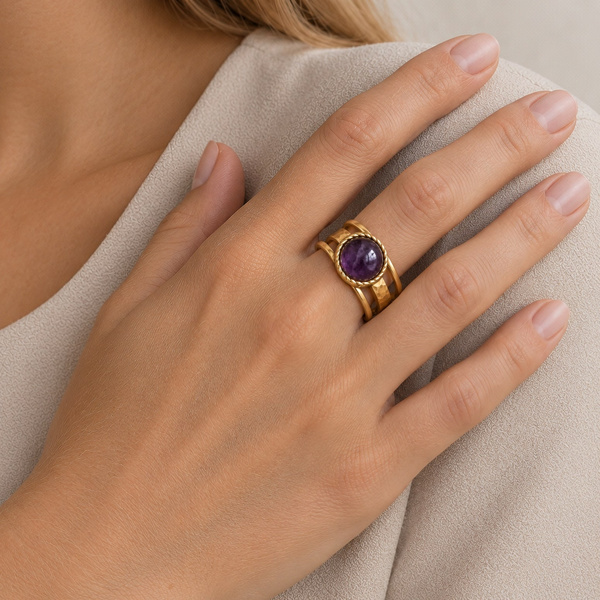
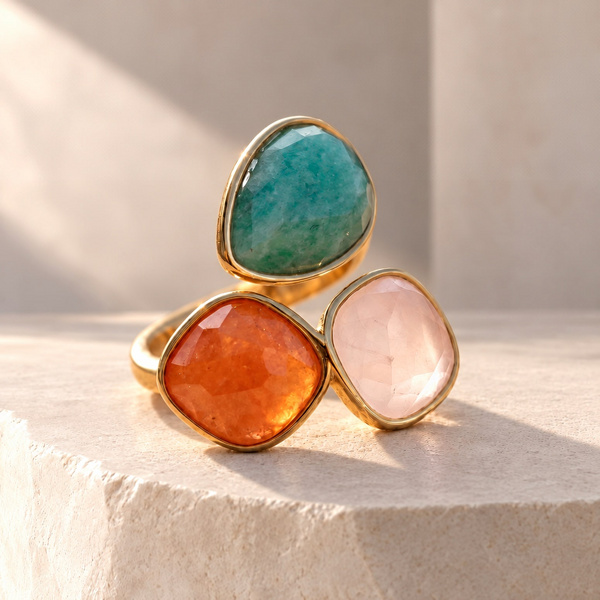
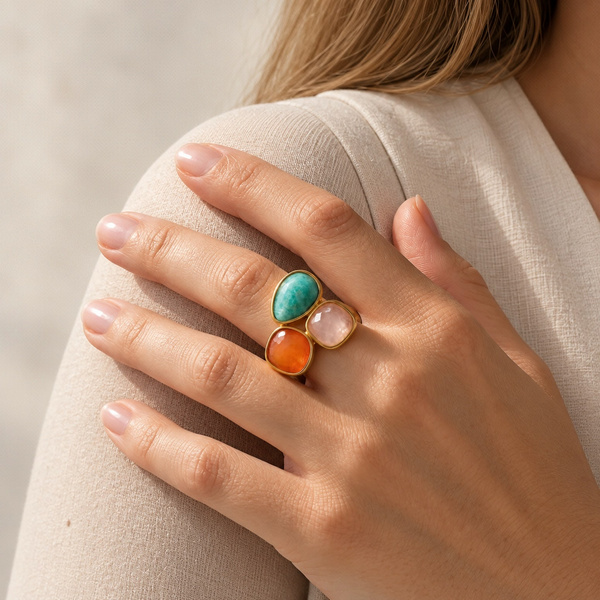
An engraved setting surrounds the stone with small raised details, an openwork setting lightens it with cutout patterns, and a beaded band edges it with a line of tiny spheres. Some rings play with the metal itself, hammered, twisted, or interlaced, while others bring several stones together on a single band. The thinnest look good worn in groups. The widest stand on their own.
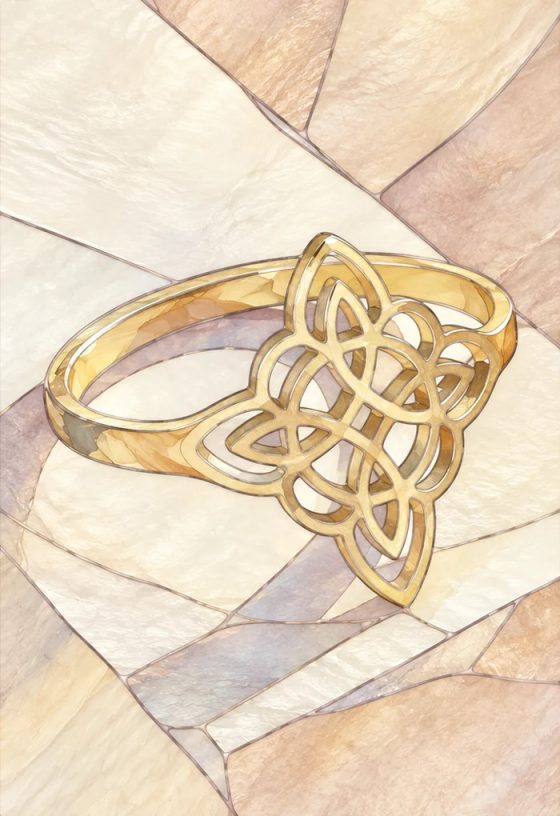
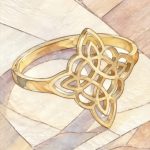
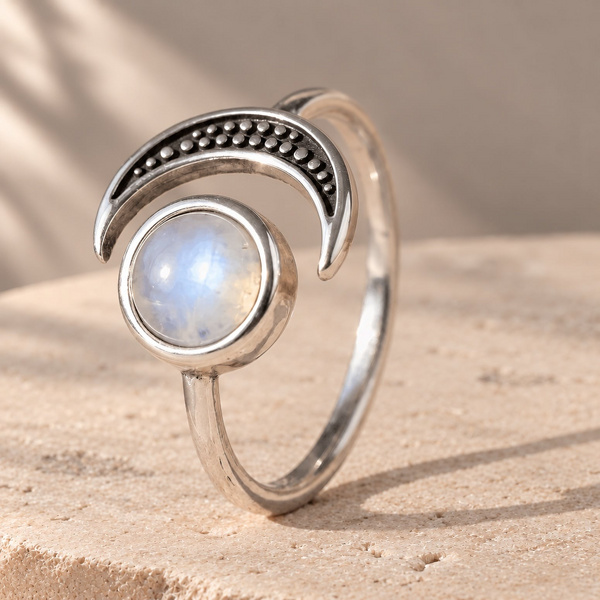
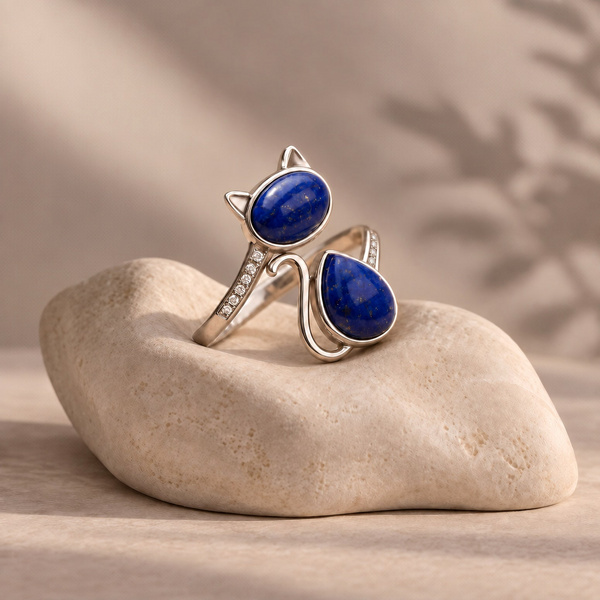
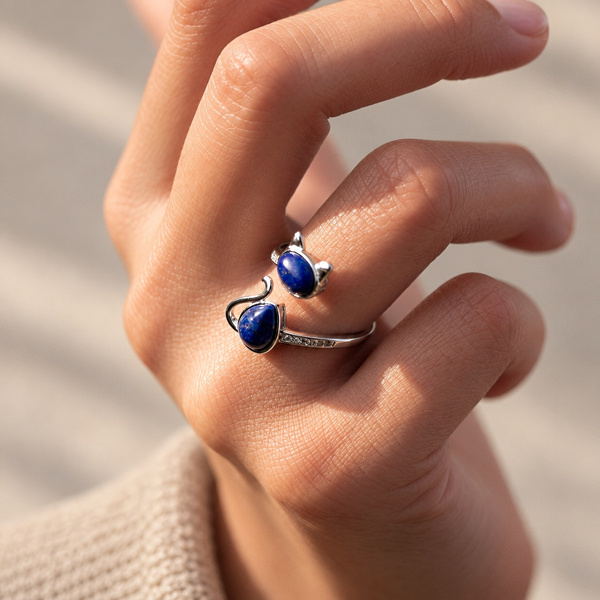
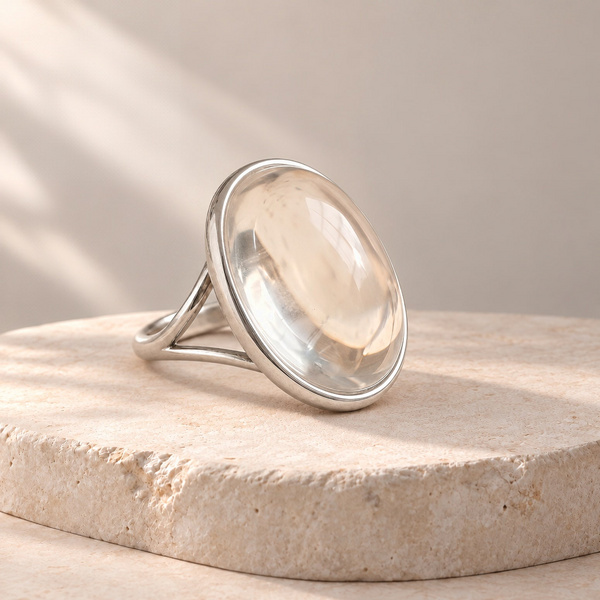
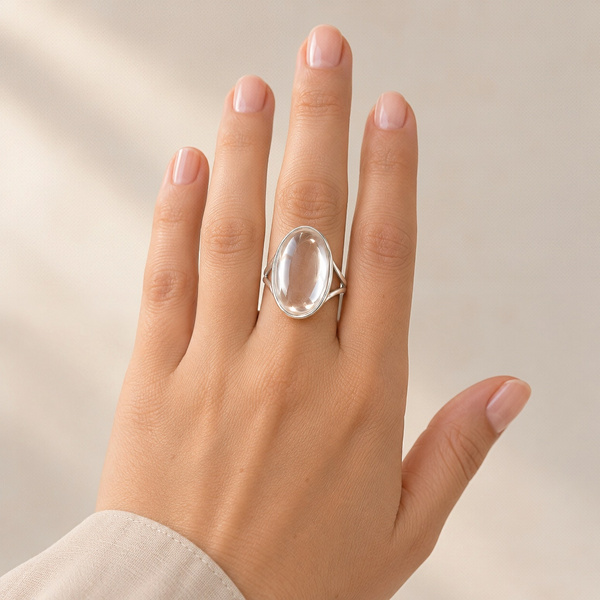
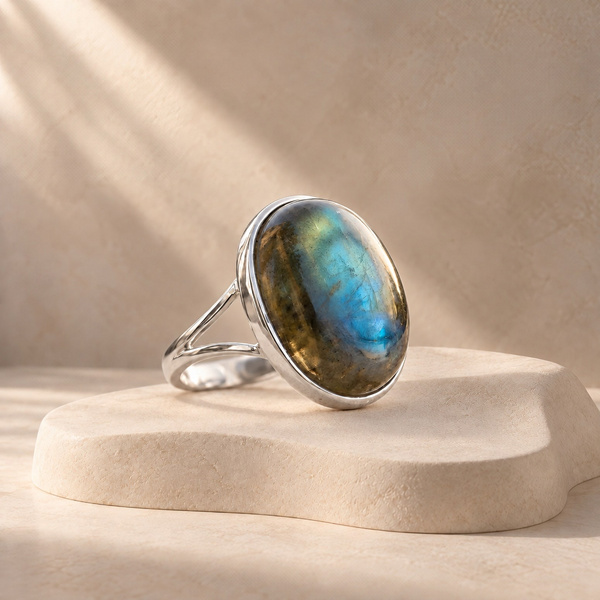
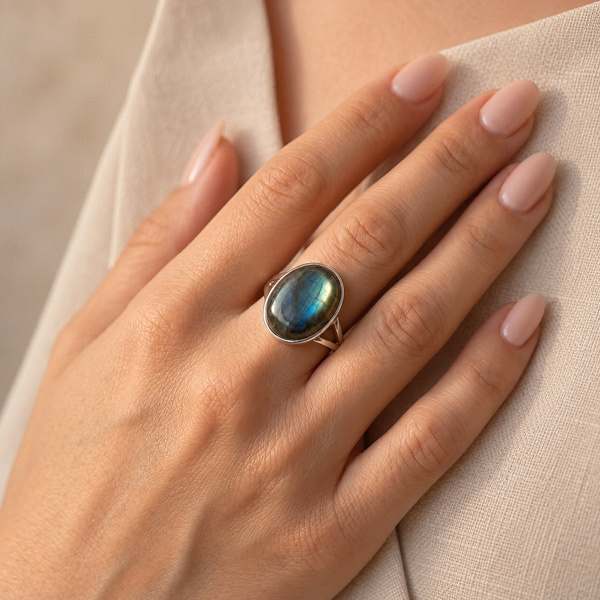
The oval cabochon is still the most common shape, soft and domed. A teardrop lengthens the finger, a round stone punctuates it, and the almond, rarer, draws a slender line. On rings without a stone, the motif takes over: lotus, heart, moon, mandala, or witch’s knot, cut out of the metal.
The vast majority of these rings are adjustable: the band, open at the back, tightens or widens with a gentle squeeze. As for metals, gold-tone stainless steel sits alongside silver-plated pieces, with a few settings in 925 sterling silver or antiqued silver, and many designs are nickel-free.
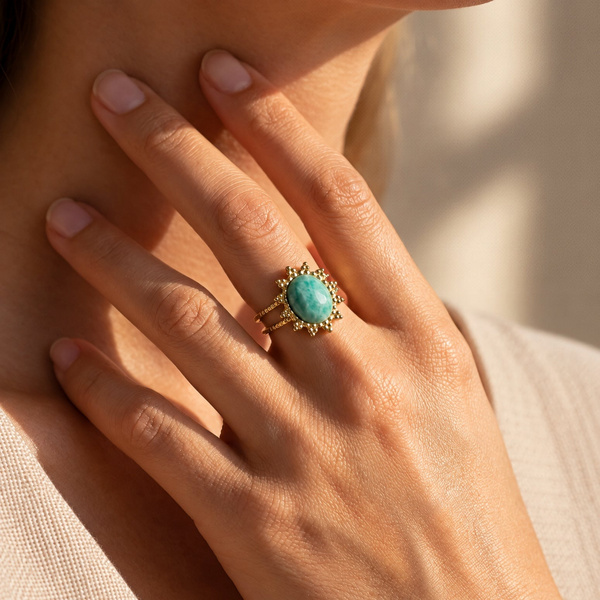
Nothing stops you from wearing several, on different fingers or side by side: a pale stone next to a darker one, gold-tone next to silver-tone. A thin ring slips into any everyday routine. A wide ring with a bold motif gets noticed more, and suits strong personalities.
Find your orders and your details.
Get back into your account
Enter your username or email address to receive a reset link.
 Bracelets
 Rings
 Pendants
 Necklaces
 Earrings
 Malas
 Agate
 Amazonite
 Amethyst
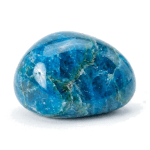 Apatite
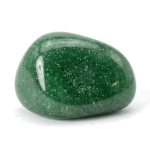 Aventurine
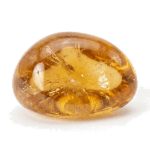 Citrine
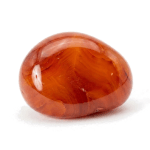 Carnelian
 Clear Quartz
 Garnet
 Jasper
 Labradorite
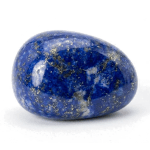 Lapis Lazuli
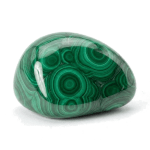 Malachite
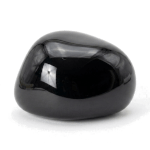 Obsidian
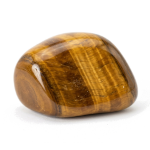 Tiger’s Eye
 Onyx
 Moonstone
 Sunstone
 Rose Quartz
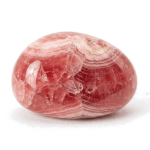 Rhodochrosite
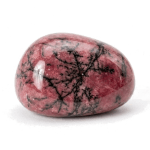 Rhodonite
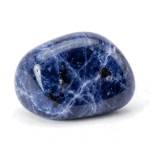 Sodalite
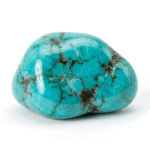 Turquoise
 Yoga & Meditation
 Love
 Good Luck
 Self-Confidence
 Protection
 Balance & Harmony
 Vitality & Energy
 Expression
 7 Chakras Harmony
 Serenity
 Gifts for him
 Gifts for her
 Orgonites
 Geodes & Stones
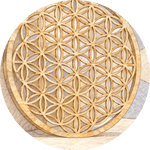 Wooden Flowers of Life