10% off sitewide with code BF10
Free shipping on 2 items or more

The Kinthia collection
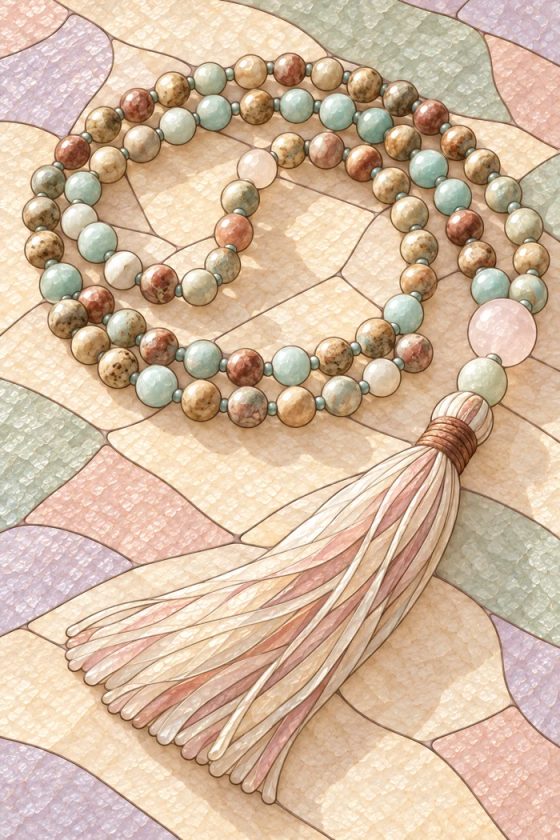
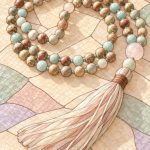
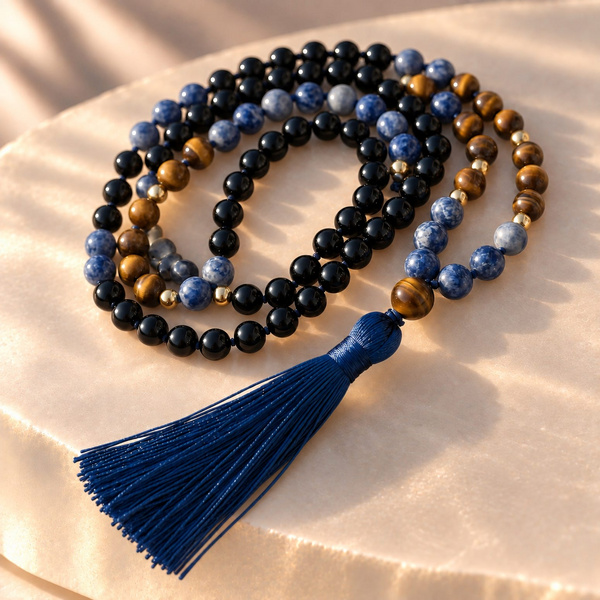
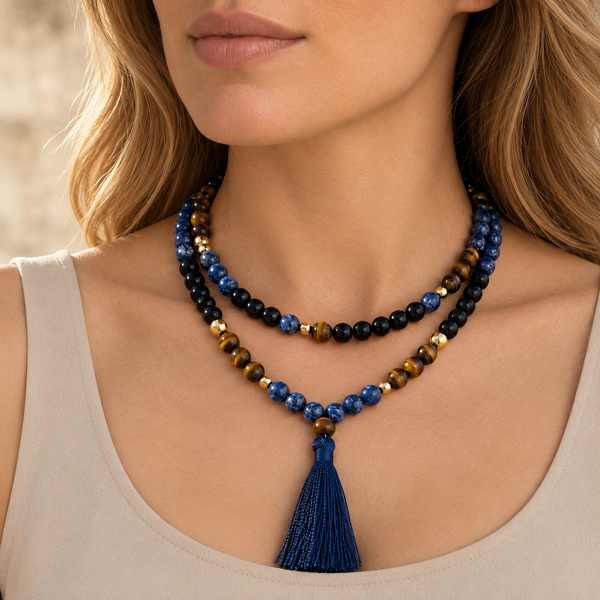
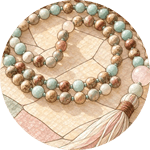
At the end of many natural stone malas hangs a tassel, and just above it a bead larger than the others: the count starts from it, and comes back to it. The ones gathered here mix amazonite, rose quartz, lapis lazuli, or tiger’s eye. You can use them to meditate, or wear them for the simple pleasure of their beads.
The Kinthia notebook
A few pointers to find what feels like you.
The word mala means « garland » in Sanskrit. For centuries, in Hindu and Buddhist traditions, this string of prayer beads has been used to count the recitations of a mantra or the breaths of a meditation without having to think about it: the fingers keep count, the mind stays free.
The main bead, often called the guru bead, marks the start and end of the round. Tradition says you don’t cross over it: when you reach it, you turn the mala around and go back the other way. The tassel extends this bead and gives the mala its recognizable silhouette.
Worn as necklaces, malas hang low on the chest, finished with a tassel or a teardrop pendant. As bracelets, they wrap several times or settle for a single strand on elastic cord, sometimes with a tree of life or elephant charm. Many are handmade.
You don’t have to meditate to wear a mala. Many people love it for its beads and its length, and wear it as a long necklace. If you plan to use it, choose beads that slide easily between your fingers, neither too small nor too heavy. As a gift, the bracelet version fits more easily into everyday life.
Find your orders and your details.
Get back into your account
Enter your username or email address to receive a reset link.
 Bracelets
 Rings
 Pendants
 Necklaces
 Earrings
 Malas
 Agate
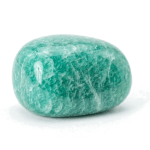 Amazonite
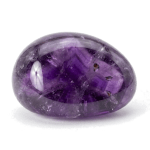 Amethyst
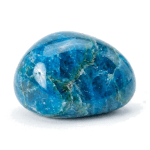 Apatite
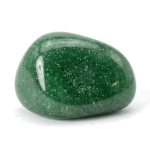 Aventurine
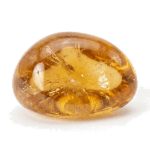 Citrine
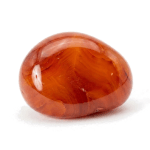 Carnelian
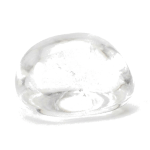 Clear Quartz
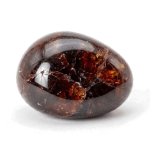 Garnet
 Jasper
 Labradorite
 Lapis Lazuli
 Malachite
 Obsidian
 Tiger’s Eye
 Onyx
 Moonstone
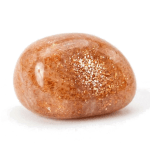 Sunstone
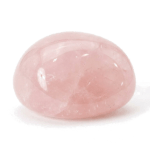 Rose Quartz
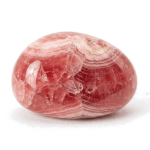 Rhodochrosite
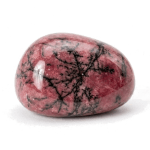 Rhodonite
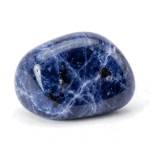 Sodalite
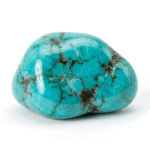 Turquoise
 Yoga & Meditation
 Love
 Good Luck
 Self-Confidence
 Protection
 Balance & Harmony
 Vitality & Energy
 Expression
 7 Chakras Harmony
 Serenity
 Gifts for him
 Gifts for her
 Orgonites
 Geodes & Stones
 Wooden Flowers of Life