10% off sitewide with code BF10
Free shipping on 2 items or more

The Kinthia collection
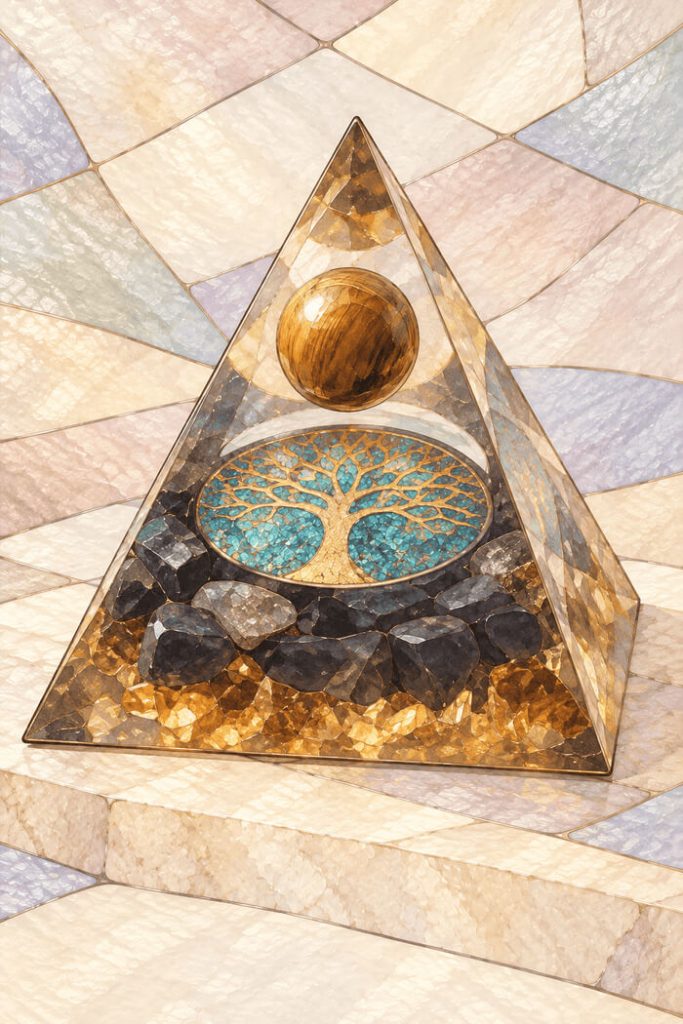
Natural stone orgonites are made by pouring resin over a mix of metal shavings and stones, most often in a pyramid mold. Once set, the resin reveals the stone chips, a copper spiral, or a few flakes of gold leaf suspended in its mass. Fans of orgonite see it as an object of balance, to place where you live.
The Kinthia notebook
A few pointers to find what feels like you.
The name comes from orgone, a life energy whose existence the Austrian researcher Wilhelm Reich believed he had established in the last century. Science has never confirmed it. Today’s orgonites take up his idea in decorative form: an object meant to rebalance what surrounds it.
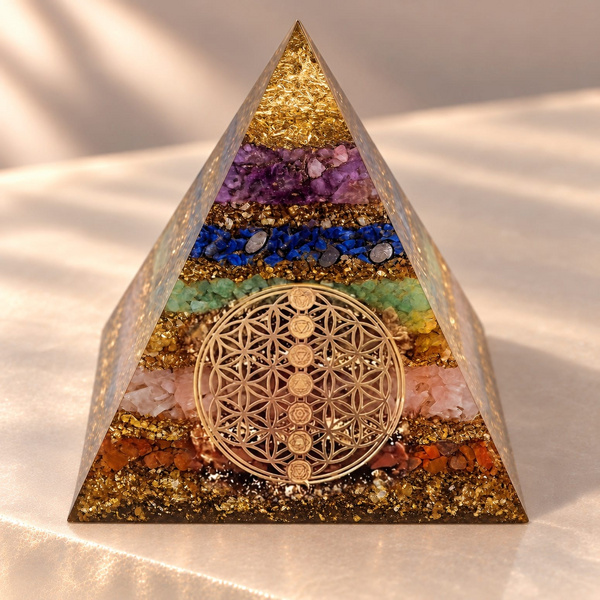
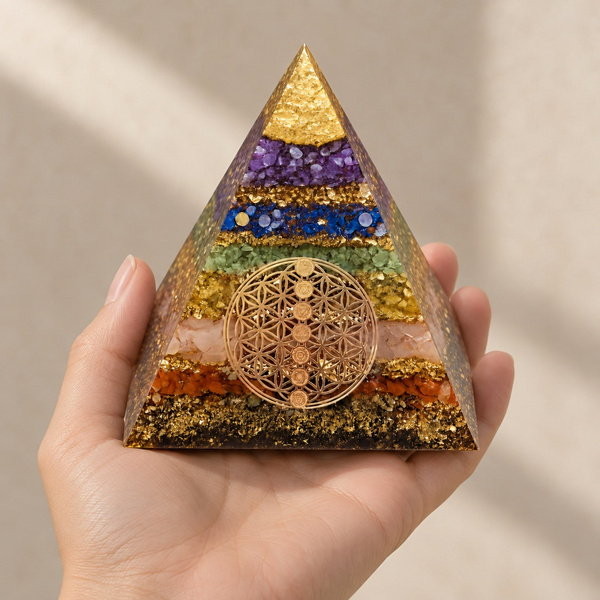
Supporters of orgonite explain what they attribute to it by the mix of an organic material, resin, and a mineral one, metal, as shavings or a copper spiral. The stones add their own symbolism: amethyst, obsidian, tiger’s eye, or lapis lazuli, depending on the chosen intention.
The pyramid dominates by far, sometimes topped with a stone sphere. Inside the resin, a symbol takes its place: tree of life, lotus, flower of life, zodiac sign, or the sequence of the seven chakras. Some of the orgonites are made to order, which calls for a little patience.
An orgonite is first of all a beautiful object, and a focus for intention. Nothing proves it acts on anything at all, and it’s wise to be wary of claims that say otherwise. Place it where you like to see it, near where you work or rest. A few resin pendants take up the same idea in a wearable size.
Find your orders and your details.
Get back into your account
Enter your username or email address to receive a reset link.
 Bracelets
 Rings
 Pendants
 Necklaces
 Earrings
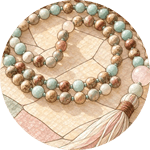 Malas
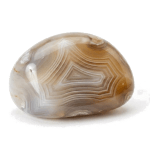 Agate
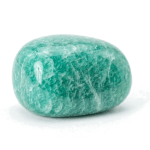 Amazonite
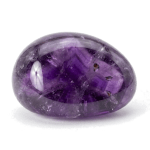 Amethyst
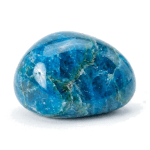 Apatite
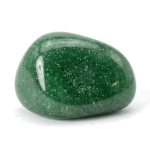 Aventurine
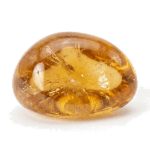 Citrine
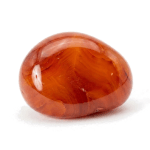 Carnelian
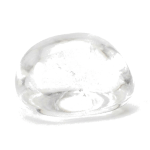 Clear Quartz
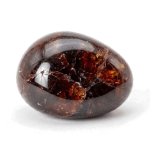 Garnet
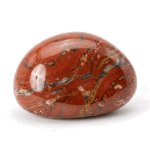 Jasper
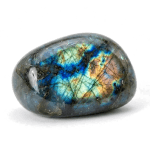 Labradorite
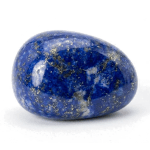 Lapis Lazuli
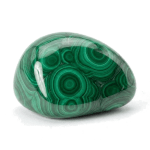 Malachite
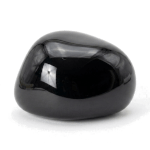 Obsidian
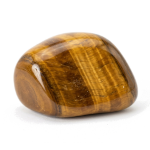 Tiger’s Eye
 Onyx
 Moonstone
 Sunstone
 Rose Quartz
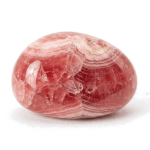 Rhodochrosite
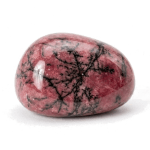 Rhodonite
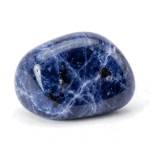 Sodalite
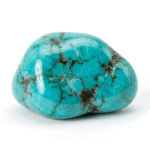 Turquoise
 Yoga & Meditation
 Love
 Good Luck
 Self-Confidence
 Protection
 Balance & Harmony
 Vitality & Energy
 Expression
 7 Chakras Harmony
 Serenity
 Gifts for him
 Gifts for her
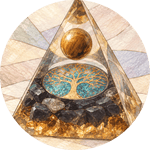 Orgonites
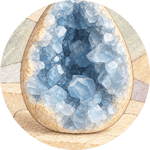 Geodes & Stones
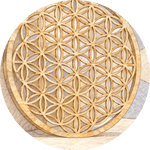 Wooden Flowers of Life