10% off sitewide with code BF10
Free shipping on 2 items or more

The Kinthia collection
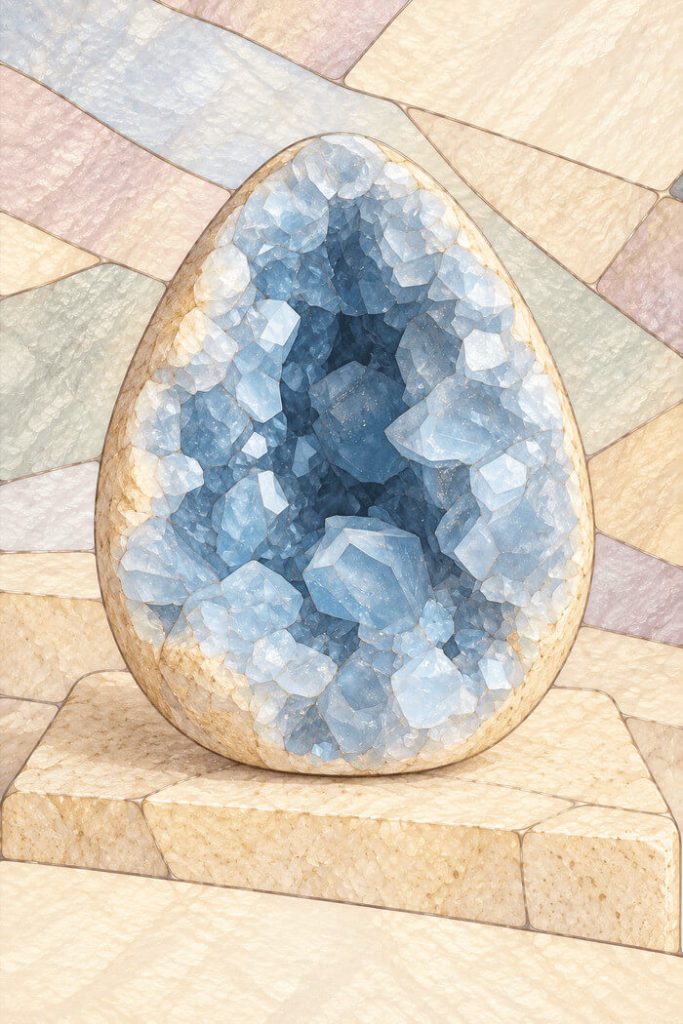
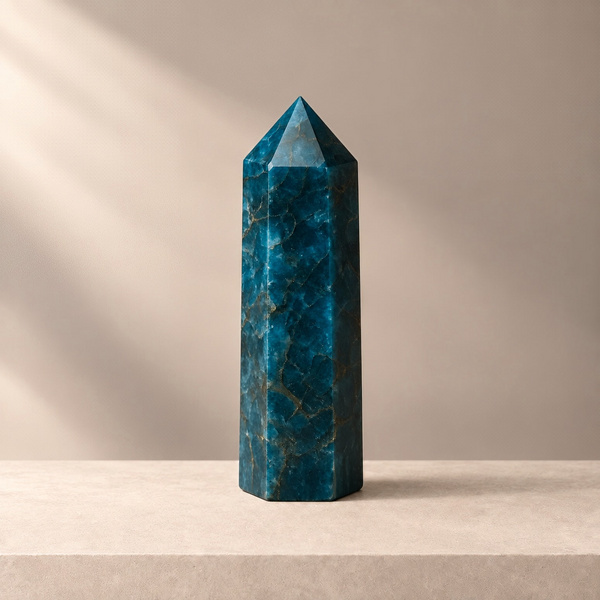
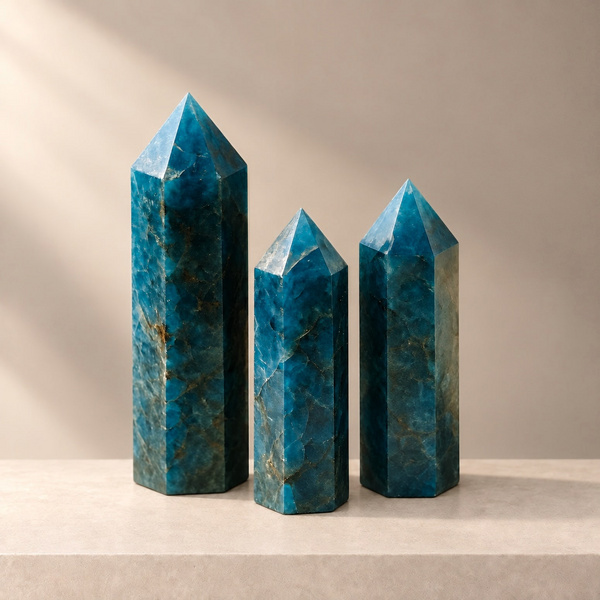
Geodes and raw stones both show stone almost as the earth formed it, and the geode is the most surprising example: an ordinary-looking pebble that opens onto crystals. Here, the stone is worked to different degrees: cut points, polished palm stones, small tumbled stones. Nothing to wear, everything to set out.
The Kinthia notebook
A few pointers to find what feels like you.
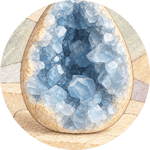
A geode forms in a cavity in rock, often an old gas bubble trapped in lava. Mineral-rich water flows through it for a very long time and deposits, layer after layer, crystals of amethyst, quartz, or celestite. Cut in half, it reveals an inside bristling with points, which nothing on the outside gave away.
A raw stone keeps the look it had when it was mined, with its edges and its often matte surface. A tumbled stone has spent a long time turning in a barrel with an abrasive, until it comes out smooth and rounded. Points are cut into prisms and stand upright, and palm stones, flat and polished, slip easily into the hand.
You pick a stone to display first for its color and shape, then by holding it: its weight, its coolness, the way it fills your palm. To start, an assortment of small tumbled stones, often matched to the seven chakras, lets you discover several colors before choosing a larger one.
Points, being upright, belong on a piece of furniture at eye level. Palm stones stay within reach, in a catchall tray or next to a book. An open geode shows best near a window, but not in direct sun: amethyst and rose quartz can lose some of their color there.
Find your orders and your details.
Get back into your account
Enter your username or email address to receive a reset link.
 Bracelets
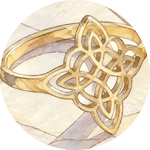 Rings
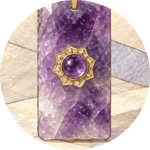 Pendants
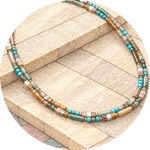 Necklaces
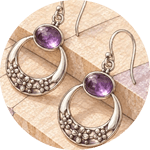 Earrings
 Malas
 Agate
 Amazonite
 Amethyst
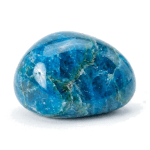 Apatite
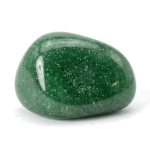 Aventurine
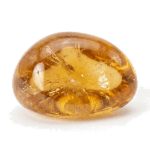 Citrine
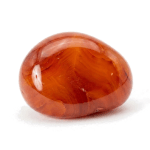 Carnelian
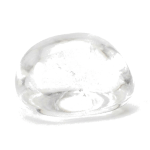 Clear Quartz
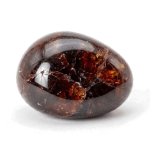 Garnet
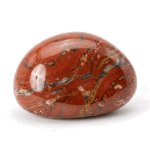 Jasper
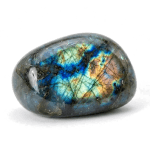 Labradorite
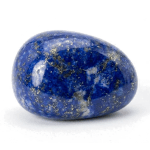 Lapis Lazuli
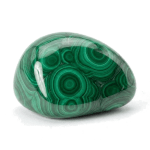 Malachite
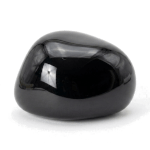 Obsidian
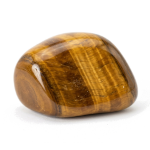 Tiger’s Eye
 Onyx
 Moonstone
 Sunstone
 Rose Quartz
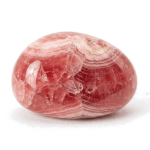 Rhodochrosite
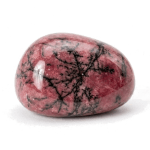 Rhodonite
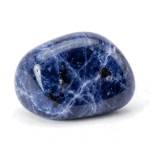 Sodalite
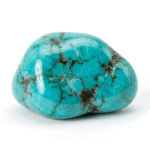 Turquoise
 Yoga & Meditation
 Love
 Good Luck
 Self-Confidence
 Protection
 Balance & Harmony
 Vitality & Energy
 Expression
 7 Chakras Harmony
 Serenity
 Gifts for him
 Gifts for her
 Orgonites
 Geodes & Stones
 Wooden Flowers of Life